Mall owner Macerich defaulted on $399M in mall loans as it reshapes its portfolio, offloads weaker centers and pours money into its best ones. Handing properties back to lenders is one way landlords shed debt they no longer want to carry. Bisnow
Why it matters: when a big owner walks away from loans, the lender inherits the property and the loss, and other mall borrowers lose leverage in their own talks.
Apartment owners could need $6.8 billion in fresh equity to refinance loans maturing through 2028, according to an October CRED iQ analysis flagged by Commercial Observer. Refinancing means replacing an old loan with a new one, and higher rates mean the new loan covers less, so owners must write a check to keep the building. Commercial Observer
Why it matters: owners who cannot find that equity may be forced to sell or default, which puts more apartments on the market at lower prices.
Industrial landlord Faropoint lined up nearly $500M to refinance its warehouse portfolio. Lenders still competing to fund industrial deals shows where capital feels safe right now. The Real Deal
Why it matters: easy refinancing for warehouses tells buyers industrial income is still bankable, even as offices and malls struggle.
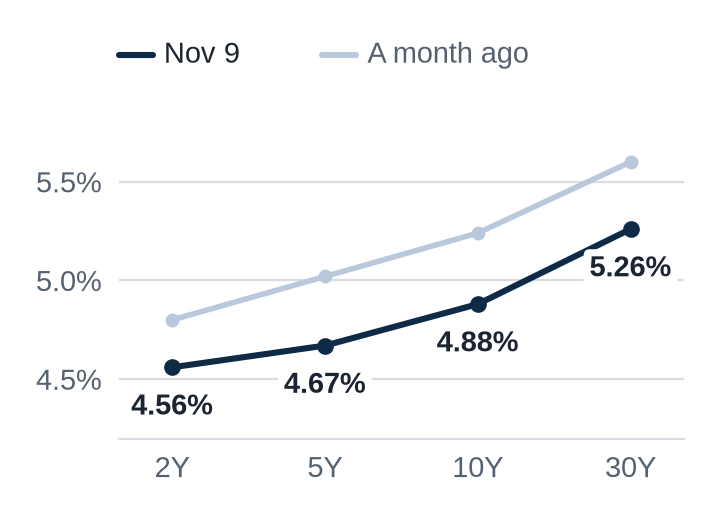
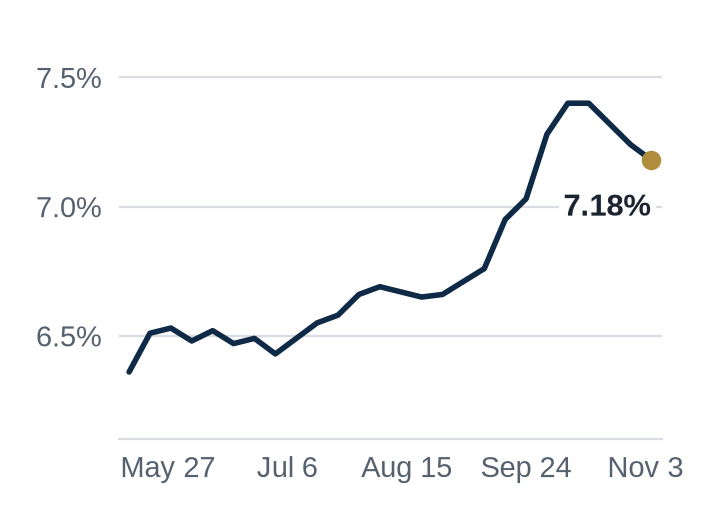
A jump in interest rates during September appears to have slowed the recent pickup in commercial real estate lending. Lenders and borrowers tend to pause new loans when rates climb, since higher rates make deals harder to pencil. The report frames the spike as a setback for lending that had been gaining ground. GlobeSt.com
Why it matters: When rates spike, borrowers who need new loans or need to refinance face higher costs, so some deals stall and property owners wait for cheaper money.
Distress Watch: The Real Deal reports high vacancies and defaulted loans are deepening the office slump in Dallas-Fort Worth. The Real Deal