Fewer commercial mortgage bonds are behind on payments, but GlobeSt reports a rise in loans that have just slipped into early delinquency. That early-stage trouble often turns into bigger problems months later. GlobeSt.com
Why it matters: Lenders watch early misses to guess future losses, so a rising count makes them stricter on new loans.
Apartment owners can find plenty of debt, but GlobeSt says equity, the owner's own cash in a deal, is scarce. Buyers struggle to raise the down-payment portion even when a bank will lend the rest. GlobeSt.com
Why it matters: Without new equity, multifamily sales stall, which slows price discovery and leaves sellers waiting.
GlobeSt looks at when it stops paying to keep extending a troubled office loan, the "extend and pretend" tactic lenders use to avoid taking a loss. At some point the math no longer works. GlobeSt.com
Why it matters: When extensions end, lenders foreclose or sell at a loss, which puts more discounted office buildings on the market.
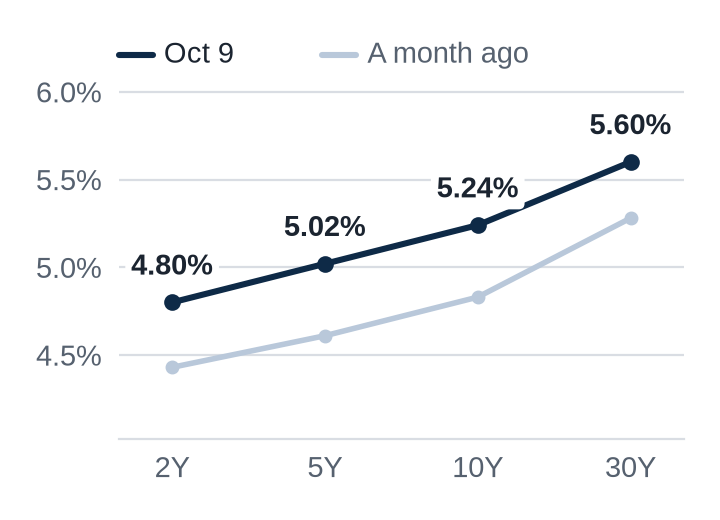
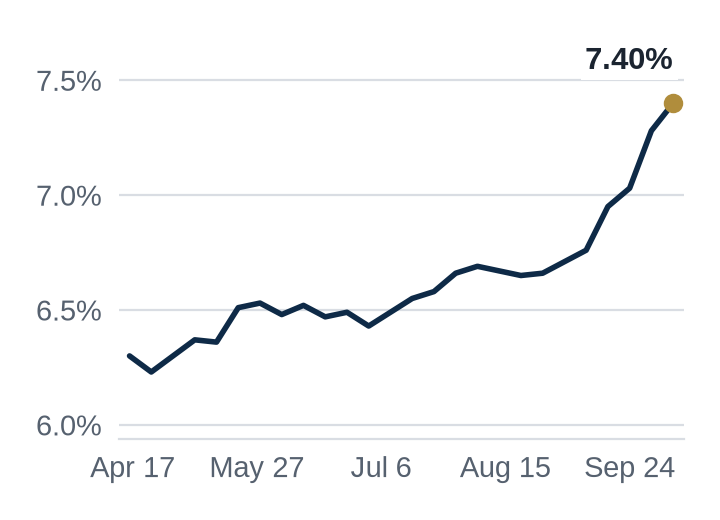
Higher rates and rising costs are pushing more commercial real estate loans into distress, according to new reporting. Loans taken out in cheaper times now cost more to refinance, and climbing expenses leave owners with less cash to cover their payments. More borrowers are falling behind or asking lenders for relief. GlobeSt.com.
Why it matters: Distress means a loan is close to default, so more distress signals lenders could take losses and buyers could find discounted properties for sale.
Distress Watch: The loan tied to the former Seattle Times office has been sent to a special servicer, The Business Journals reports. A special servicer is the workout team that steps in when a borrower cannot pay as agreed. The Business Journals